

Nursing (Practical & Associate Degree Nursing)

Career Community:
Health Sciences
Care for others and build a rewarding healthcare career with us.
What You’ll Learn
Students who want to be a Registered Nurse (RN) will enroll in the pre-Associate Degree Nursing program (A55280NR) and work with their Education Navigator to meet the minimum requirements needed to apply to the program.
The pre-Associate Degree Nursing program is designed as a preparation track and does not lead to a degree. Students who decide not to pursue nursing will need to work with their Education Navigator to transition into a different degree pathway.
The Associate Degree Nursing curriculum provides knowledge, skills, and strategies to integrate safety and quality into nursing care, to practice in a dynamic environment, and to meet individual needs which impact health, quality of life, and achievement of potential. Coursework includes and builds upon the domains of healthcare, nursing practice, and the holistic individual. Content emphasizes the nurse as a member of the interdisciplinary team providing safe, individualized care while employing evidence-based practice, quality improvement, and informatics. Graduates of this program are eligible to apply to take the National Council Licensure Examination (NCLEX-RN). Employment opportunities are vast within the global health care system and may include positions within acute, chronic, extended, industrial, and community health care facilities.
Students who want to be a Licensed Practical Nurse (LPN) will enroll in the pre-Practical Nursing program (A55280PN) and work with their Education Navigator to meet the minimum requirements needed to apply to the program.
The pre-Practical Nursing program is designed as a preparation track and does not lead to a degree. Students who decide not to pursue nursing will need to work with their Education Navigator to transition into a different degree pathway.
The Practical Nursing diploma provides knowledge and skills to integrate safety and quality into nursing care to meet the needs of the holistic individual, which impact health, quality of life, and achievement of potential. Coursework includes and builds upon the domains of the individual, nursing, and healthcare. Content emphasizes safe, individualized nursing care and participation in the interdisciplinary team while employing evidence-based practice, quality improvement, and informatics. Graduates are eligible to apply to take the National Council Licensure Examination (NCLEX-PN) which is required for practice as a licensed practical nurse. Employment opportunities include hospitals, rehabilitation/long term care/home health facilities, clinics, and physicians’ offices.
The Paramedic to Associate Degree Nursing Advanced Placement option provides a pathway for currently certified paramedics to transition into the role of registered nurse. This advanced placement option allows students to enter the second year of the Associate Degree Nursing program and complete the degree in one year.
The curriculum builds upon the paramedic’s existing knowledge of emergency and acute patient care, focusing on the integration of safety, quality, and holistic care in diverse healthcare settings.
Coursework emphasizes evidence-based practice, collaboration within the interdisciplinary team, and the application of nursing principles to promote optimal health outcomes. Graduates are eligible to apply to take the National Council Licensure Examination (NCLEX-RN) and qualify for employment in a wide range of healthcare environments, including hospitals, clinics, long-term care, and community health facilities.
Students interested in this option must meet the minimum academic requirements for the Associate Degree Nursing Program and take NUR 215 in the spring semester prior to entering the nursing program in the summer semester.
The Practical Nursing to Associate Degree Nursing Advanced Placement option allows currently licensed Practical Nurses to transfer their prior credits and advance their education by entering the second year of the Associate Degree Nursing program.
This advanced placement pathway enables students to complete their associate degree in one year. The curriculum builds upon prior practical nursing knowledge and experience, emphasizing the integration of safety and quality into patient-centered care.
Coursework expands the domains of healthcare, nursing practice, and the holistic individual, preparing students to transition into the role of the registered nurse. Graduates are eligible to apply to take the National Council Licensure Examination (NCLEX-RN) and pursue employment opportunities in a variety of healthcare settings, including acute, chronic, extended, and community-based facilities.
Students interested in this option must meet the minimum academic requirements for the Associate Degree Nursing Program and take NUR 114 in the summer semester prior to entering the nursing program in the fall semester.
Start your healthcare career with Nurse Aide courses. Gain hands-on classroom, laboratory, and clinical training to prepare for providing safe, compassionate care in a variety of healthcare settings.
Classes are offered in a traditional, seated format, with day and evening options available in Chatham, Harnett, and Lee counties. Course availability varies by semester. Nurse Aide I tuition is $180, with additional costs for required fees, supplies, and clinical requirements.
Length: N/A
Credits to Graduate: N/A
Locations:
Why Study Nursing at ºÚ°µ±¬ÁÏÍø?
Cost Effective Program
Completing the associate degree in nursing with ºÚ°µ±¬ÁÏÍø offers lower tuition and fees compared to traditional four-year institutions. This is particularly beneficial for individuals who are looking to minimize student loan debt or who are seeking more budget-friendly education options.
Personalized Attention
ºÚ°µ±¬ÁÏÍø offers smaller class sizes compared to larger universities, allowing for more personalized attention from instructors. This can be beneficial for students who thrive in environments where they can interact closely with professors and receive individualized support.
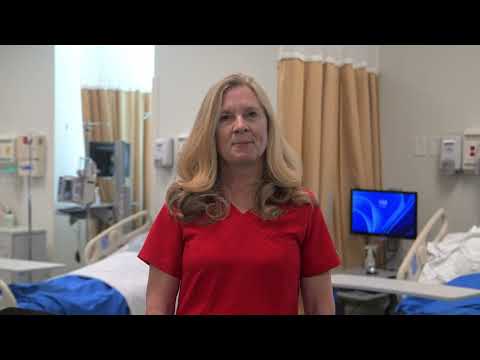
Nursing Program | Wendi
More Helpful Links for This Program


Associate Degree Nursing Careers
A registered nurse is a licensed healthcare professional responsible for providing comprehensive patient care, including assessment, medication administration, and coordination of treatment plans in various health care settings.
After completion of the National Council Licensure Examination (NCLEX-RN), employment opportunities are vast within the global health care system and may include positions within acute, chronic, extended, industrial, and community health care facilities.


Practical Nursing Careers
Practical Nursing (PN) programs typically provide foundational education and training for individuals aspiring to become licensed practical nurses, preparing them to deliver basic nursing care under the supervision of registered nurses and physicians. After completion of the National Council Licensure Examination (NCLEX-PN), employment opportunities include:
- Hospitals
- Rehabilitation
- Long term care
- Home health facilities
- Clinics
- Physicians' offices
ºÚ°µ±¬ÁÏÍø wishes to announce that it will host a site visit for initial accreditation of its Associate Degree and Practical Diploma nursing programs by the Accreditation Commission for Education in Nursing (ACEN).
You are invited to meet with the site visit team and share your comments about the program in person at a meeting scheduled at 2:15 p.m. on Wednesday, Sept. 23, 2026, in room 203 of the Keller Health Sciences Building located at 1815 Nash St, Sanford, NC.
Written comments are also welcome and should be submitted to the ACEN via email at public-comments@acenursing.org or to the ACEN office:
Attn: Accreditation Services
Accreditation Commission for Education in Nursing
3390 Peachtree Rd NE, Suite 1400
Atlanta GA, 30326
All written comments should be received by the ACEN by Sept. 8, 2026.
The associate degree nursing and practical nursing diploma programs are accredited by the Southern Association of Colleges and Schools Commission on Colleges (SACSCOC), which is an institutional accreditor for quality assurance in higher education. The programs are approved by the North Carolina Board of Nursing. The next site visit is scheduled for 2027.
Associate Degree Nursing (ADN) Program
Effective January 26, 2025, the Associate Degree Nursing program at ºÚ°µ±¬ÁÏÍø at the Chatham and Lee Campuses located in Sanford, North Carolina, is a candidate for initial accreditation by the Accreditation Commission for Education in Nursing. This candidacy status expires on December 31, 2026.
3390 Peachtree Road NE, Suite 1400
Atlanta, GA 30326
(404) 975-5000
View the public information disclosed by the ACEN regarding this candidate program on the .
Practical Nursing (PN) Program
Effective January 26, 2025, the Practical Nursing program at ºÚ°µ±¬ÁÏÍø at the Harnett Campus located in Lillington, North Carolina, is a candidate for initial accreditation by the Accreditation Commission for Education in Nursing. This candidacy status expires on December 31, 2026.
3390 Peachtree Road NE, Suite 1400
Atlanta, GA 30326
(404) 975-5000
View the public information disclosed by the ACEN regarding this candidate program on the .
The Associate Degree Nursing (ADN) program has partnerships with several universities that offer Bachelor of Science in Nursing (BSN) degrees. These agreements make it easier for graduates to continue their education after earning their ADN at ºÚ°µ±¬ÁÏÍø. Students can transfer into participating RN-to-BSN programs and apply eligible credits toward completion of their BSN degree based on each university's transfer agreement.
Agreements:
North Carolina Licensure Requirements
Graduates of the Associate Degree Nursing (ADN) and Practical Nursing (PN) programs who successfully complete all program requirements are eligible to apply to take the applicable National Council Licensure Examination (NCLEX-RN® or NCLEX-PN®). Licensure is granted by the North Carolina Board of Nursing (NCBON).
To be eligible for initial licensure in North Carolina, applicants must complete a Board-approved nursing education program, pass the applicable NCLEX examination, complete a criminal background check, and meet all requirements established by the NCBON. A valid U.S. Social Security number is required before a North Carolina nursing license can be issued. Applicants with criminal convictions or disciplinary history may be required to submit additional information for review. The NCBON is the final authority on licensure eligibility.
For additional information, visit the webpage.
Professional Licensure Disclosure
ºÚ°µ±¬ÁÏÍø participates in the National Council for State Authorization Reciprocity Agreements (NC-SARA). In accordance with federal regulations and NC-SARA requirements, the College provides professional licensure disclosures for the Associate Degree Nursing (ADN) and Practical Nursing (PN) programs.
The ADN and PN programs meet the educational requirements for initial nursing licensure in North Carolina. Students who plan to seek initial licensure in another state should review the to identify the appropriate nursing licensing authority and determine the educational and licensure requirements for the state in which they intend to apply.
Associate Degree Nursing Program Outcomes
- Human Flourishing: Advocate for patients and families in ways that promote their self-determination, integrity, and ongoing growth as human beings.
- Professional Identity: Implement one’s role as a nurse in ways that reflect integrity, responsibility, ethical practices, and an evolving identity as a professional nurse committed to evidence-based practice, caring, advocacy, and safe, quality care for diverse patients within a family and community context.
- Nursing Judgment: Make judgments in practice, substantiated with evidence, that integrate nursing science in the provision of safe, quality care and promote the health of patients within a family and community context.
- Spirit of Inquiry: Examine the evidence that underlies clinical nursing practice to challenge the status quo, question underlying assumptions, and offer new insights to improve the quality of care for patients, families, and communities.
Practical Nursing Diploma Program Outcomes
- Human Flourishing: Promote the human dignity, integrity, self-determination, and personal growth of patients, oneself, and members of the health care team
- Nursing Judgment: Provide a rationale for judgments used in the provision of safe, quality care and for decisions that promote the health of patients within a family context.
- Professional Identity: Demonstrate awareness of good practice, boundaries of practice, and professional identity formation including knowledge and attitudes derived from self understanding and empathy, ethical questions and choices that are gleaned from a situation, awareness of patient needs, and other contextual knowing.
- Spirit of Inquiry: By collaborating with health care team members, utilize evidence, tradition, and patient preferences in predictable patient care situations to promote optimal health status.
Individual course outcomes can be found in the .
The Accreditation Commission for Education in Nursing (ACEN) requires that student achievement outcome data on licensure exam passing rates, student completion rates, and the percentage of graduates obtaining a job be publicly accessible. The expected level of achievement identifies the program's goal for each outcome.
NCLEX Pass Rates
| Program | Graduating Class | Number of Candidates | Number Passed | ºÚ°µ±¬ÁÏÍø Percent | State Percent | National Percent |
|---|---|---|---|---|---|---|
| ADN | 2026 | 27 | 25 | 92.59% (unofficial) | Pending | Pending |
| ADN | 2025 | 30 | 30 | 100% | 78% | 87% |
| ADN | 2024 | 40 | 39 | 98% | 82% | 91% |
| PN | 2026 | Pending | Pending | Pending | Pending | Pending |
| PN | 2025 | 21 | 21 | 100% | 78% | 87% |
| PN | 2024 | 29 | 27 | 93.10% | 79% | 88% |
ELA: 90 percent of students in the nursing program will pass the NCLEX on their first attempt.
Program Completion by Academic Year
| Program | Graduating Class | Generic Number Admitted | Number Completed on Time (100%) | Completion Rate |
|---|---|---|---|---|
| ADN | 2026 | 34 | 23 | 68% |
| ADN | 2025 | 35 | 26 | 76% |
| ADN | 2024 | 44 | 34 | 77% |
| PN | 2026 | 23 | 18 | 78% |
| PN | 2025 | 35 | 21 | 60% |
| PN | 2024 | 39 | 25 | 55% |
ELA: 90 percent of students in the nursing program will complete the program requirements on time (100 percent) according to the course sequence.
Employment At Graduation
| Program | Graduating Class | Number of Graduates | Job Offers at Time of Graduation |
|---|---|---|---|
| ADN | 2026 | 27 | 92.5% |
| ADN | 2025 | 30 | 80% |
| ADN | 2024 | 40 | 100% |
| PN | 2026 | 18 | 61% |
| PN | 2025 | 21 | Data Not Available |
| PN | 2024 | 25 | Data Not Available |
ELA: Ninety percent of graduates will receive a job offer at the time of graduation, with employment contingent upon successful completion of the NCLEX and licensure requirements.
Program Contact

We’re Here to Help
Want to talk to an advisor about requirements and classes, or get more details on jobs in this industry?
Transfer Programs
Credits from select courses within the program may transfer to four-year colleges and universities on a case-by-case basis.